A custom disposable vape project is easier to price when the buyer defines what “custom” means. A logo on an existing device, a new carton design, and a revised flavor specification involve different decisions and approval work. Before asking a white label vape manufacturer for a quotation, map the changes you need, the evidence required to approve them, and the market where the finished product will be sold.
This guide helps adult B2B buyers turn a branding idea into an actionable specification. It covers device identity, packaging, flavor and nicotine requests, and the handover to production. Available options depend on the selected platform and destination requirements; the final quotation and approved specification should identify exactly what your order includes.
1. Choose the platform before designing the brand treatment
Begin with the role the product will play in your adult sales channel. Consider whether customers expect a compact format, a device with visible operating information, or a product that fits an existing range. Retail staff need an explanation that connects the hardware to a real customer requirement. A large headline claim alone is a weak reason to create another SKU.
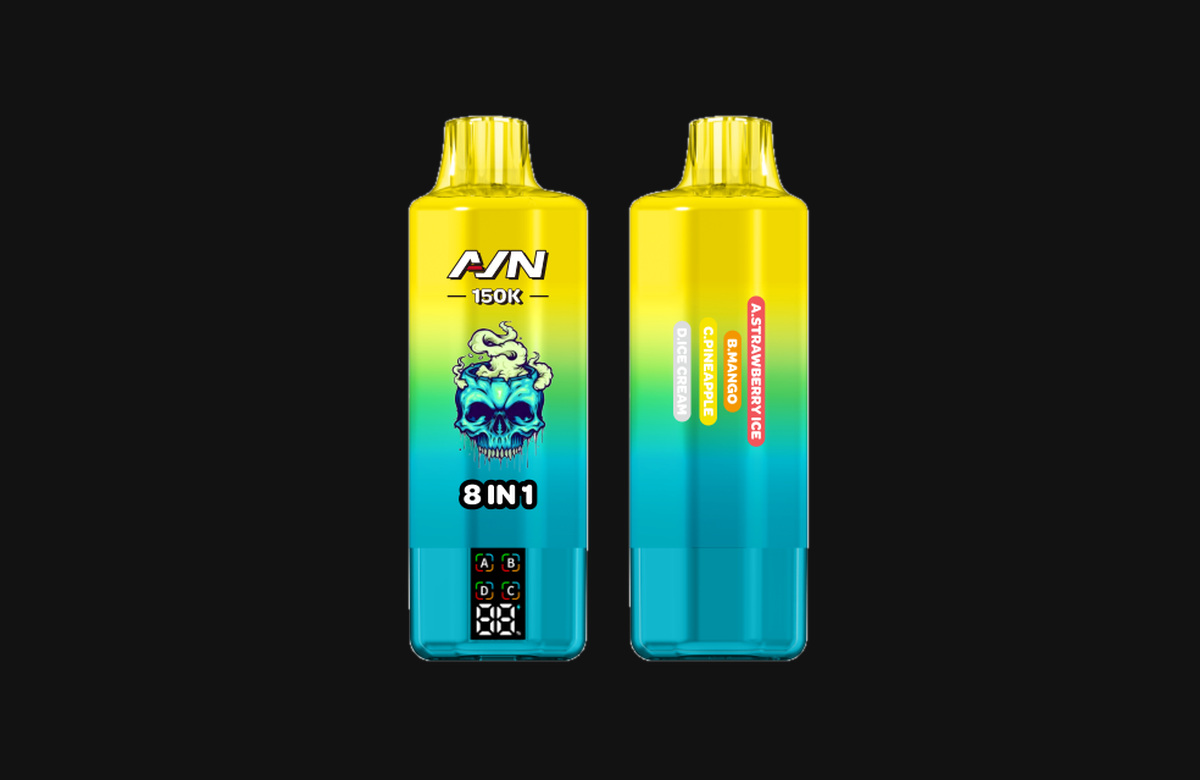
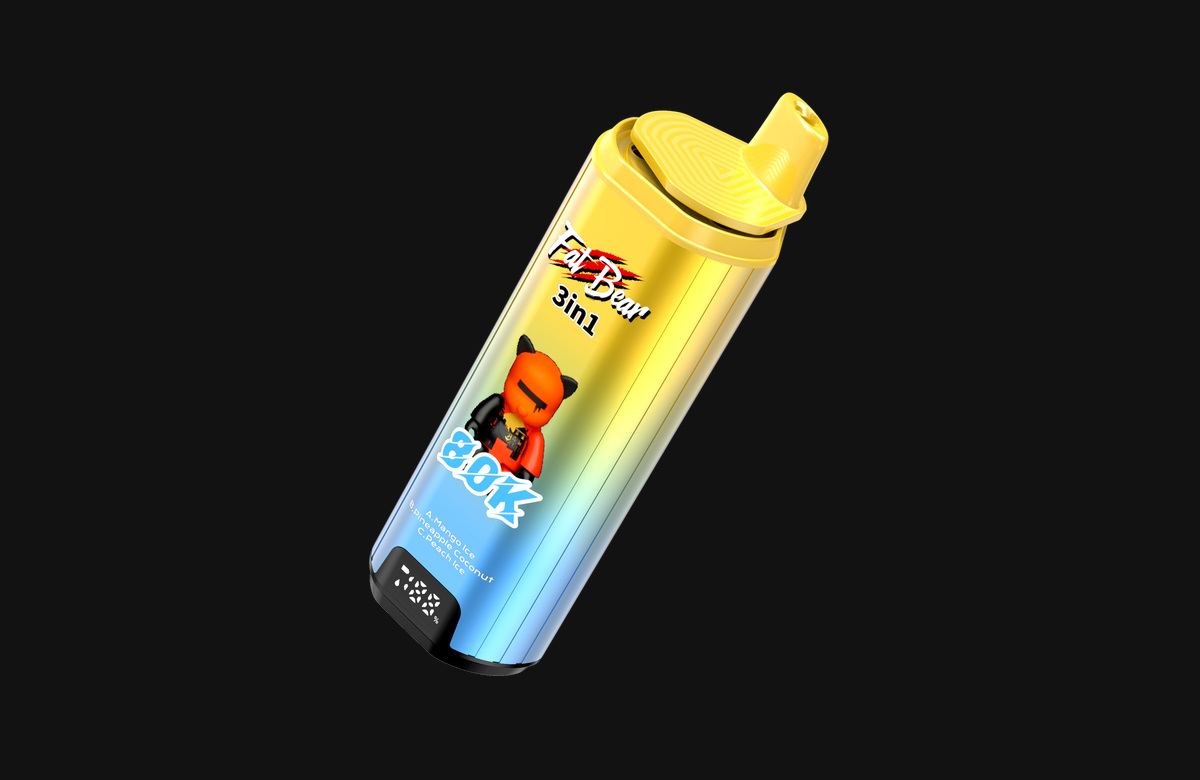
Use actual catalog pages to compare candidates. The AIPOD 30K product page and AVN 150K product page provide starting points for a platform discussion; they are not promises that every branding or market version is available. Ask sales which listed configuration would be supplied and whether your requested changes affect components, assembly, packaging, or testing.
Keep a platform decision sheet with the model reference, intended market, required documentation, and reasons for selection. This prevents the artwork process from getting ahead of commercial feasibility. Review the vape brand launch guide if your team still needs to define distribution, positioning, and the first purchase. Those choices influence which customization work is worthwhile.
2. Define the logo, finish and artwork files precisely
A logo request should identify the artwork file, location, orientation, intended color, and usable print area. Ask the factory to explain the available decoration methods for the selected surface. Fine detail, curved sections, and transparent parts can affect what a physical mark looks like. A digital mockup should make placement clear, while a suitable physical proof confirms the result on the actual material.
Discuss the body finish independently from the logo. A different texture, color, or decorative treatment may have its own approval and supply implications. If exact appearance matters, agree how the reference will be assessed and who signs it off. Phone photographs and different screens can make the same surface appear inconsistent, so avoid treating a casual image as the final color standard.
Give each artwork revision a clear identifier and nominate one person to approve production files. Record whether the proof is for placement, color, or both. Ask the supplier to identify any manufacturing limitations before your designer prepares every variant. This reduces the chance of approving an attractive design that cannot be reproduced consistently on the chosen platform.
3. Build packaging around the destination and sales channel
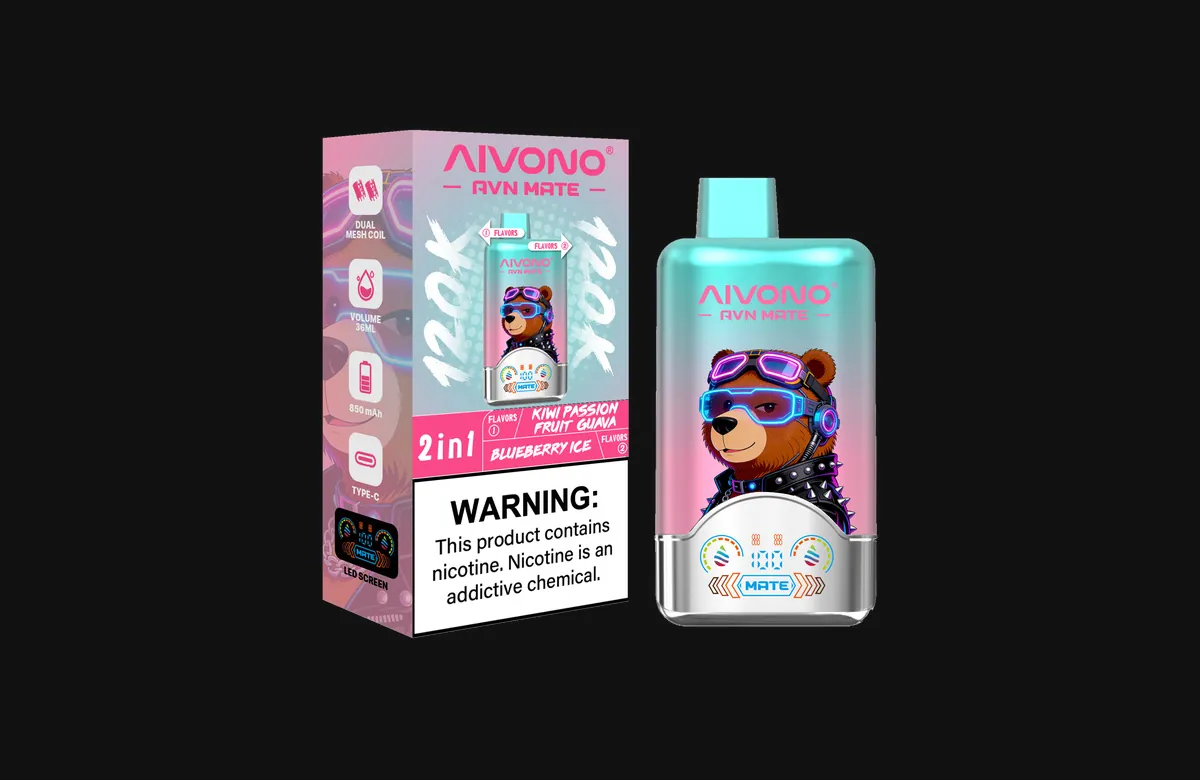
Packaging is a product information system as well as a brand surface. Begin with the product identity, legally required warnings, destination language, traceability details, and any information your importer or distributor requires. Have the responsible local specialist check applicable rules before artwork approval. Copying another market’s box is not a reliable way to determine what your destination permits.
Agree the packaging structure and contents before final layout. Confirm what is included with the device, how the unit is protected, and how the inner and outer cartons will be identified. If retail staff will compare several flavors or configurations, make the distinguishing information easy to find. A consistent location for the model and variant can be more useful operationally than extra decorative claims.
Request a packaging proof that reflects the selected dieline, text, and artwork revision. Check legibility at actual size, correspondence between the box and ordered version, and consistency across variants. Ask how a packaging correction after approval would affect timing or cost. Keep the approved files under version control within your purchasing records, even when the factory also stores a copy.
4. Specify flavor and nicotine options without assumptions
A flavor name is a starting point for discussion rather than a complete specification. Record the supplier’s flavor reference and the exact version sampled. If your adult channel uses an established naming system, explain it and agree the final names on both device and packaging. Similar commercial names can refer to different sensory profiles, so a name alone should never substitute for an approved reference.
Evaluate proposed flavors through an appropriate controlled sample process with qualified adult evaluators. Describe observations in a repeatable way and identify the sample reference in every feedback message. Ask whether a requested change would require a revised formulation, new sampling, or additional documentation. Do not advertise a flavor, ingredient, or performance attribute that the supplier has not confirmed for the ordered version.
Nicotine concentration and formulation must be matched to the destination’s rules and the supplier’s available configuration. Ask for written confirmation rather than inferring availability from a general catalog. A nicotine-free request also needs an explicit specification and the supporting evidence appropriate to your market. Branding approval and formulation approval are separate decisions; both should be complete before production release.
5. Compare quotations using the same customization scope
Send each supplier a consistent request that separates the base device, branding, packaging, market version, and variant mix. Ask which charges are recurring and which relate to setup or development. Request the minimum quantity for the overall order and for each customized variant, including any packaging constraints. A low headline unit price may describe a different scope from the project your team intends to launch.
Read the AISILE OEM and ODM service information and ask the export team to confirm the route offered for your brief. Where an existing platform can meet the requirement, make sure the quotation identifies what remains standard and what changes. Where development is needed, agree the deliverables and approval milestones before comparing the project with a simple white label order.
AISILE reports export experience in 50+ countries and monthly manufacturing capacity of 5M+ units in 2026. These company facts can inform a supplier discussion, but model availability and project timing still need written confirmation. Ask which event starts the quoted schedule, which materials must be available, and what happens if artwork approval is delayed. Avoid turning a general capacity statement into a promised delivery date.
6. Release production against one approved specification
Before releasing the order, assemble the approved platform reference, artwork, packaging, flavor and nicotine specifications, variant quantities, and inspection requirements. Resolve conflicting filenames and outdated proofs. A supplier should be able to identify the controlling version without interpreting a long chat history. Your purchasing team should be able to do the same when checking the first delivery.
Document how proposed substitutions or changes will be handled. If an approved component or material becomes unavailable, require a review before accepting an alternative. Clarify the process for reporting defects and the evidence needed to investigate them. This protects the continuity of the brand when the same outer design is reordered later with a different production date.
To start a practical customization discussion, contact the AISILE Export Team with your destination, preferred product platform, artwork status, flavor and nicotine requests, and expected purchase range. Ask for a written option list and sample plan. A clear brief lets both teams identify the feasible choices and move toward approval with fewer revisions.