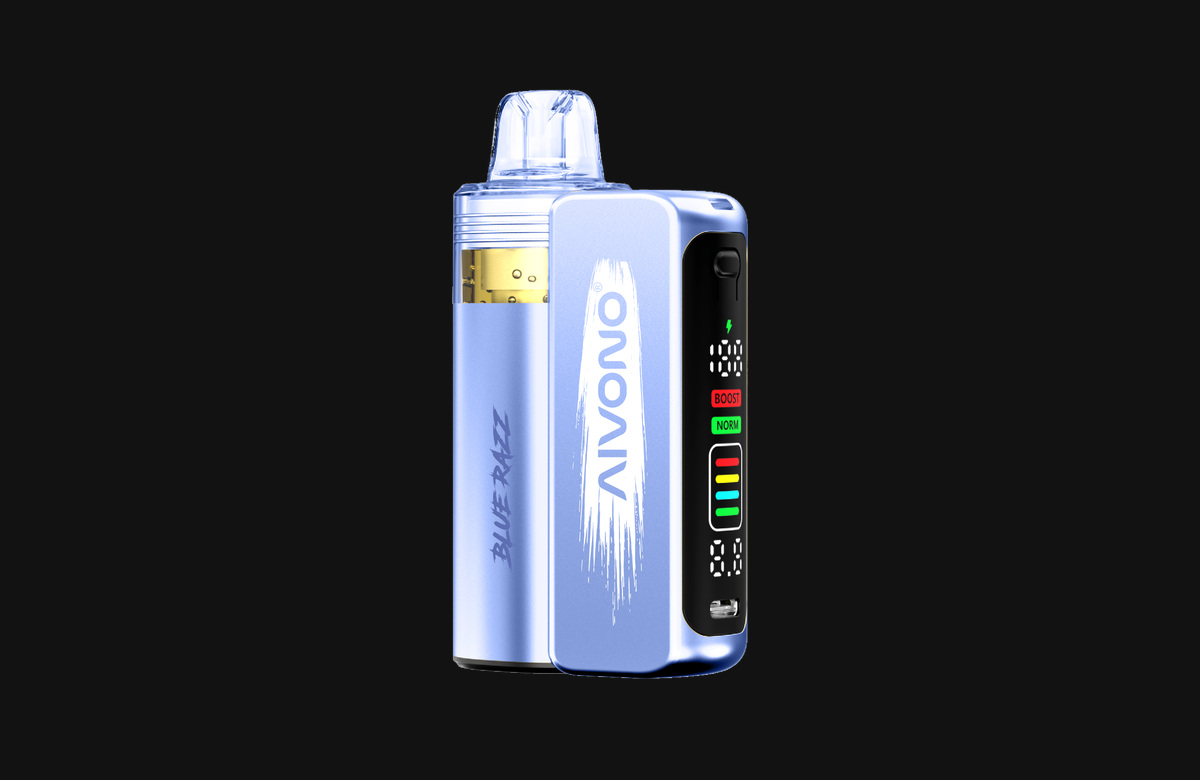
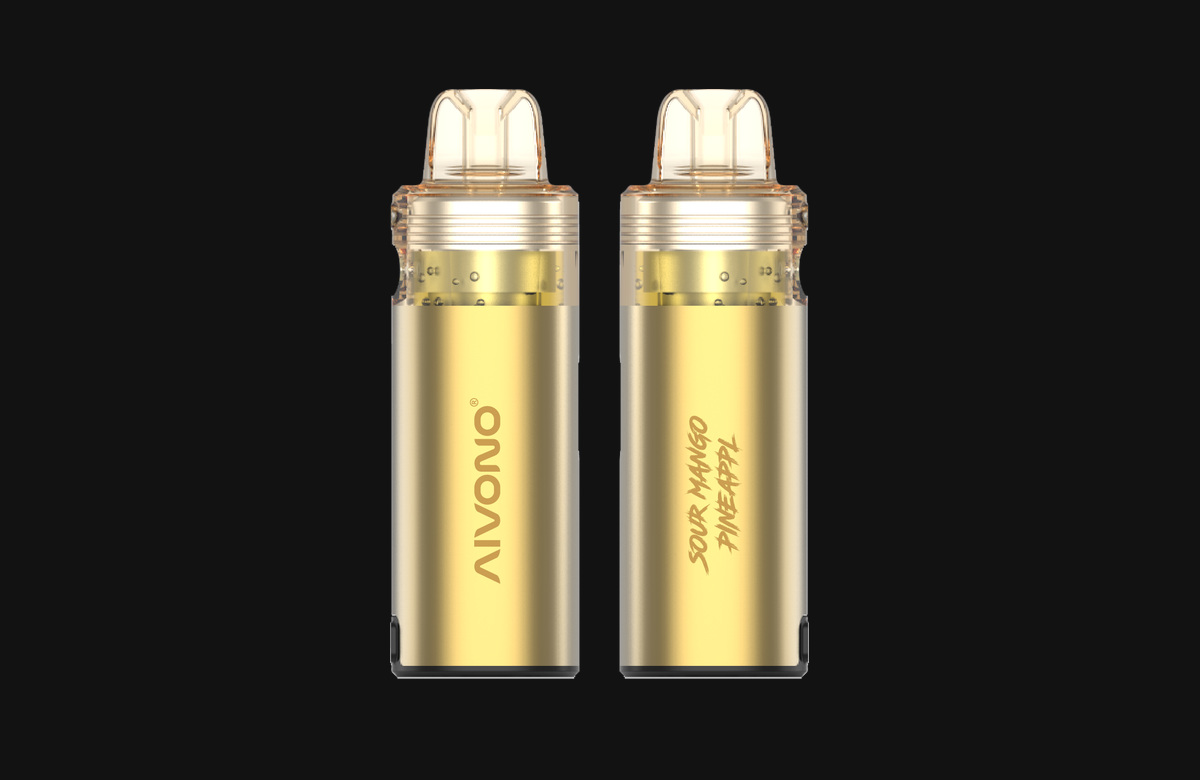
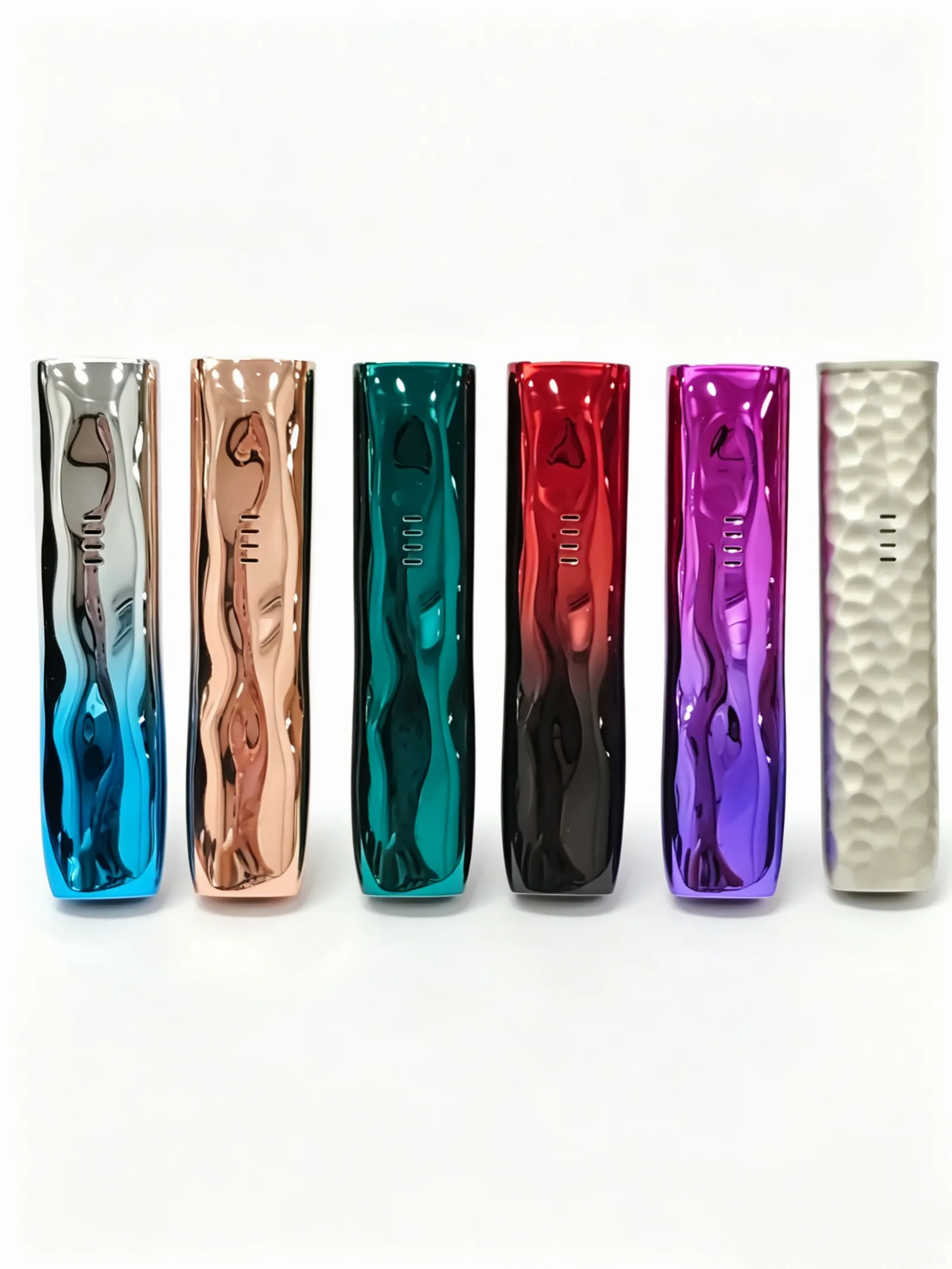
Modular disposable pod systems separate a reusable host from replaceable prefilled pods. For wholesale buyers, that format can simplify product assortment and sampling, but only when compatibility, sealing, labeling and local rules are verified before an order. Use this checklist to evaluate the system as a product program, not only as a device photo.
Confirm exactly what is reusable
Ask the supplier to identify the host model, compatible pod family and the parts intended for replacement. Request a written compatibility matrix covering each pod version and host revision. Do not assume that pods with a similar shape share the same electrical contacts, airflow path or locking dimensions. Record the model names and revision codes on the sample evaluation sheet.
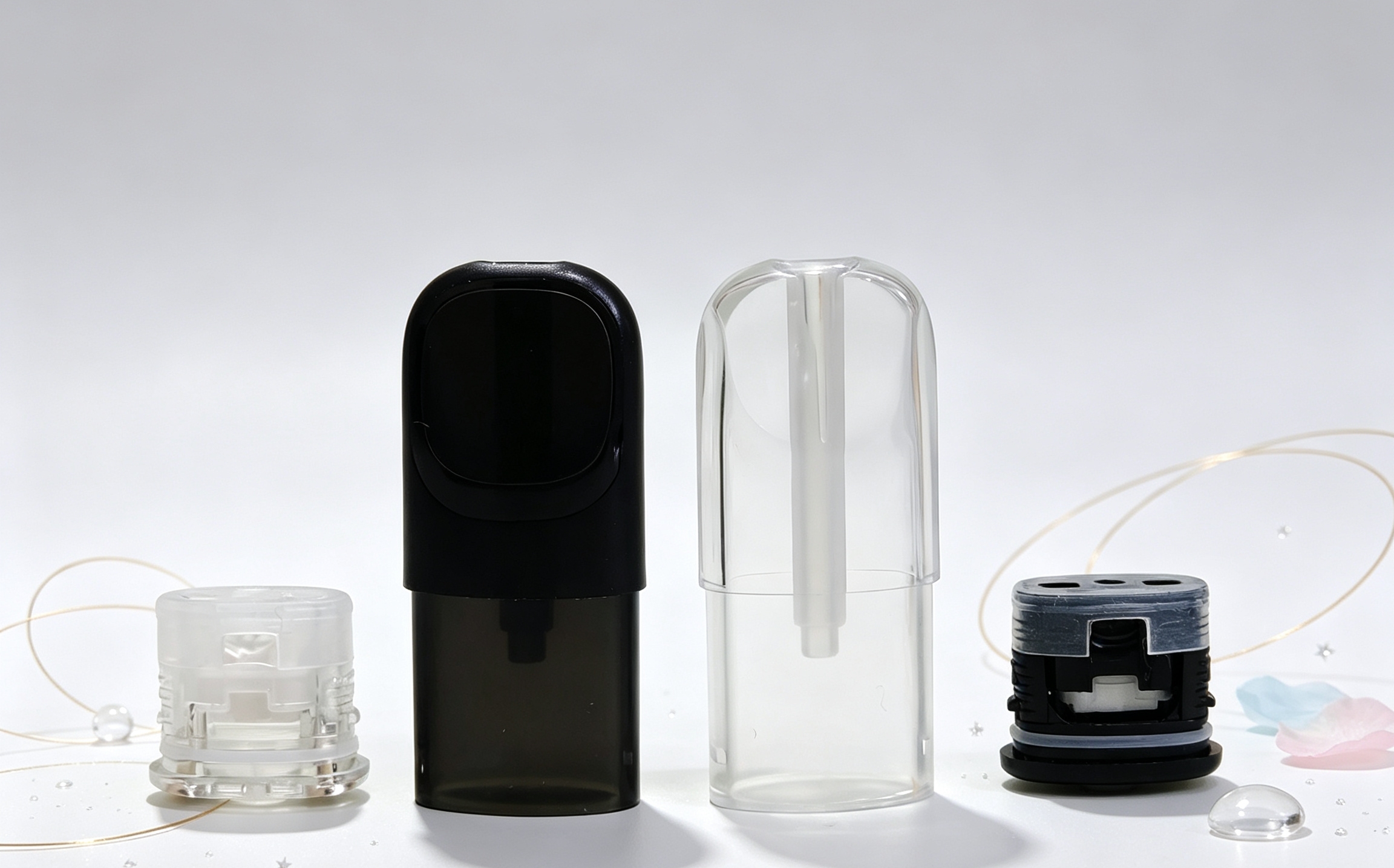
Check pod fit and sealing on samples
Test insertion and removal across multiple samples. Look for a secure connection, consistent seating and clear guidance on handling. Inspect the pod and host interface for visible damage after repeated fitting. Store samples in the orientations and temperature ranges stated by the supplier, then inspect the packaging and connections for leakage. Keep the test conditions and results; a single successful sample does not establish batch consistency.
Evaluate the flavor range as an assortment
A multi-pod format can support a broader assortment without stocking a separate host for every option. Ask for the current flavor list, market availability, ingredient documentation and product-specific labeling. Taste or sensory preferences are subjective, so select samples with local adult trade buyers and confirm that the chosen variants may be sold in the destination market. Avoid relying on generic claims such as “best-selling” unless the supplier can provide evidence relevant to your channel and region.
Review packaging and shipment readiness
Check that each pod is protected for transport and that carton labels identify the exact SKU, batch or lot information where applicable. Ask which artwork files, warnings, language versions and importer details are required for your target market. Confirm carton quantities, outer-case dimensions and the documents supplied with the shipment before approving print files. Packaging requirements differ by jurisdiction and can change; have the importer check current official rules.
Build a written sample approval record
Before a bulk order, document the approved host and pod combination, sample reference, appearance, fit, packaging, labeling and any agreed quality checks. Ask the supplier which checks it can document during production and how it handles a mismatch. For private-label projects, confirm the artwork approval sequence, minimum order quantity by SKU, sample charges and production schedule in the quotation rather than assuming a standard applies to every project.
Questions to include in a wholesale RFQ
- Which host and pod revisions are confirmed compatible?
- What checks are performed for fit, sealing and packaging?
- What is the MOQ for each pod SKU and private-label option?
- Which market documents and label files can the supplier provide?
- How are approved samples and production tolerances recorded?
For product options, review the AISILE product range, then discuss project requirements on the OEM/ODM page or contact the export team. Share your target market, required configuration and estimated quantity so the quotation can address the right product version.
For licensed trade buyers and adults of legal purchasing age only. Product compatibility does not indicate brand affiliation. Buyers must verify product and sales requirements with the relevant authorities in each destination market.