A useful vape OEM samples request begins with a buying decision, rather than a request for every device in a catalog. Your team needs to learn whether a particular platform, market version, and customization route can support a commercial launch. That means agreeing what the sample represents, how it will be evaluated, and which details remain open before money moves into production. This guide sets out a vape sample order process that purchasing, quality, design, and sales colleagues can use together.
It is written for adult B2B buyers planning a lawful market launch. The sample is evidence about the supplied configuration; it does not establish destination approval or guarantee that an unapproved production change will perform identically. Keep the sample specification and the commercial order connected throughout the project.
1. Write the decision brief before requesting samples
Start with the destination country, adult sales channel, preferred product format, and intended launch window. Explain whether you are replacing an established line, testing an unfamiliar category, or launching your own brand. Those situations need different evidence. A replacement project depends on continuity and staff familiarity, while a new brand also needs a clear packaging and service plan.
Separate requirements from preferences. A destination labeling obligation belongs in the requirements column. A preferred finish or display treatment may be negotiable. Include the nicotine version requested, packaging language, expected order range, and the documentation your importer needs. Ask sales to mark each item as confirmed, available subject to review, or unavailable. Silence should never become an assumed approval.
Review the AISILE OEM and ODM service scope before choosing a development route. An existing platform with approved artwork may require different sampling work from a change to the device structure. Describe the commercial problem you want to solve, then ask which route addresses it with the least avoidable complexity. This makes the first quotation easier to compare and reduces irrelevant sample shipments.
2. Agree what is inside the sample package
Ask for a written sample list that identifies each device and its configuration. Record the model reference, supplied flavor and nicotine version, relevant hardware revision, packaging status, and any differences from the proposed bulk order. A generic model name is insufficient when multiple market versions exist. If a sample carries stock branding, say explicitly that branding approval remains outstanding.
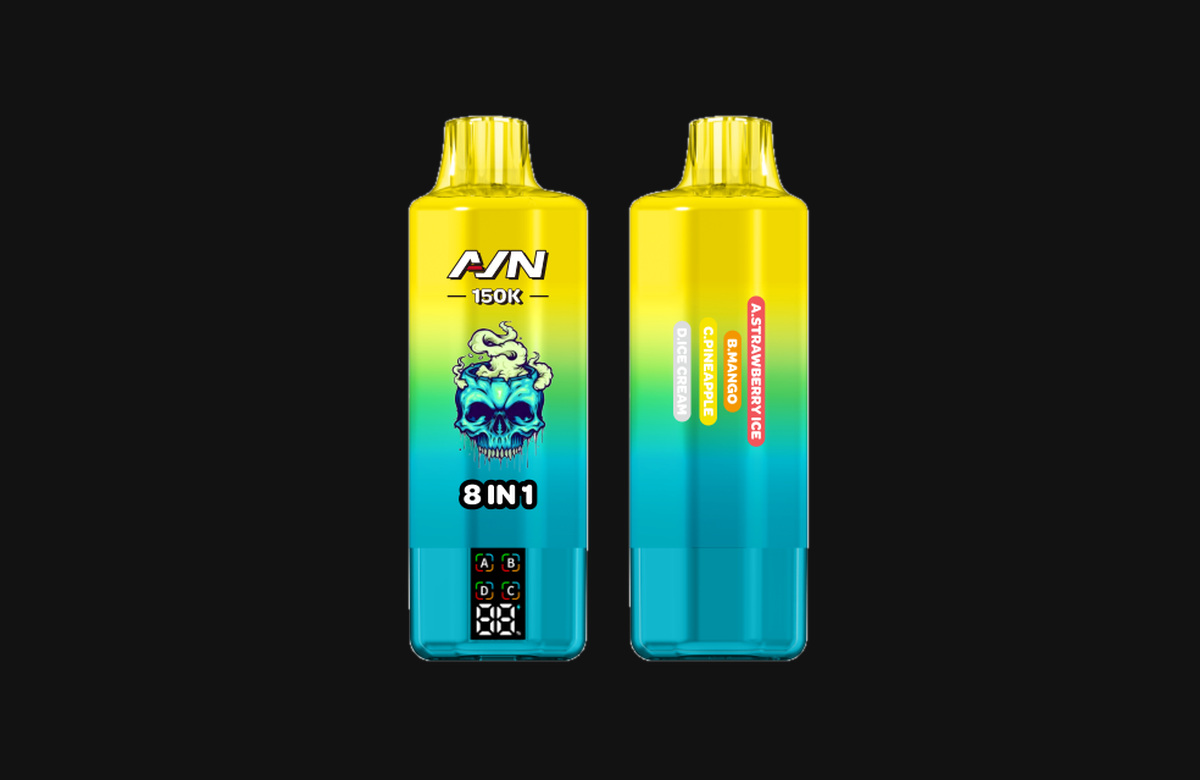
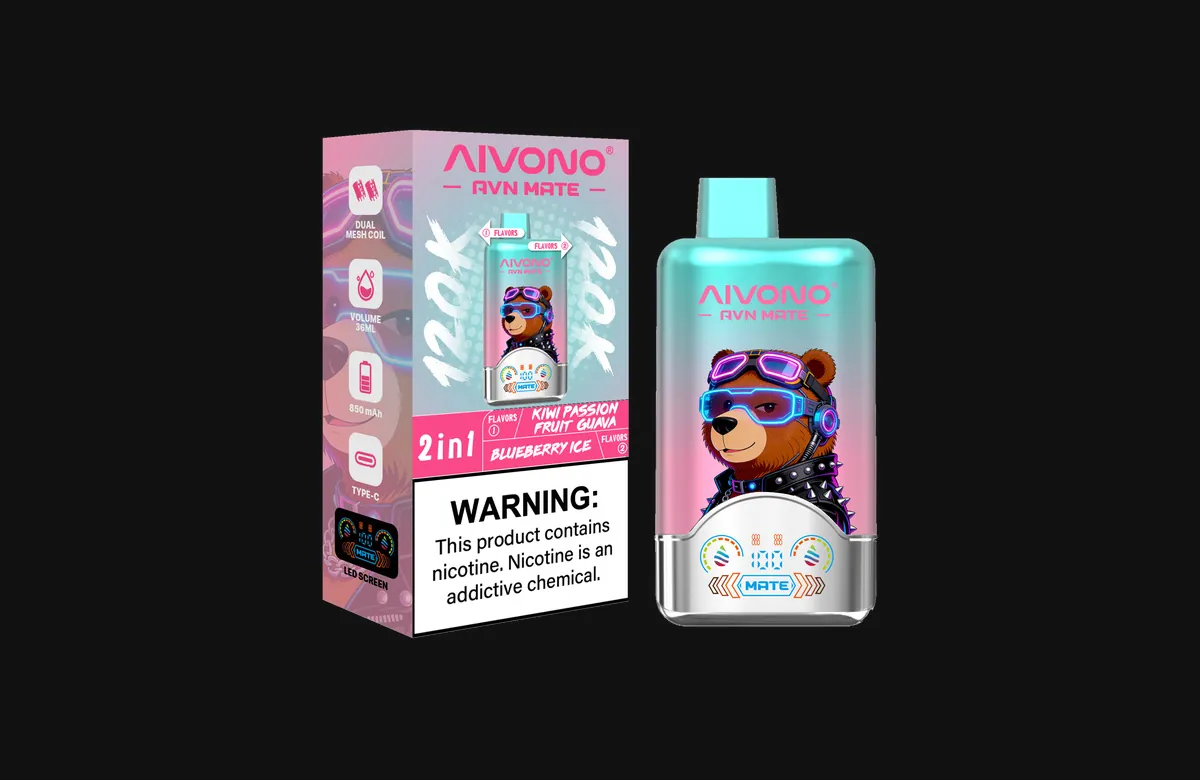
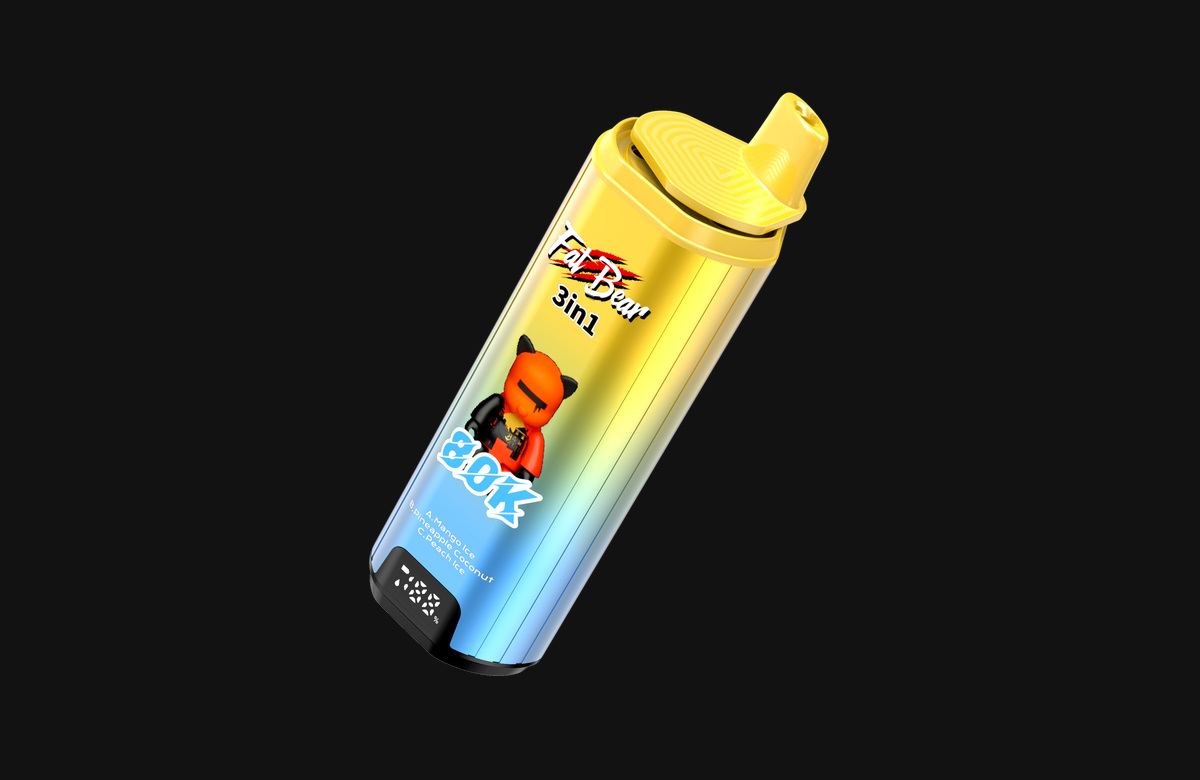
Distinguish functional samples, appearance samples, and packaging proofs. A printed box can confirm layout without proving device operation. A working stock device can demonstrate handling without approving your final logo placement. A rendered image is useful for discussing design but should not be treated as a physical color reference. Agree which evidence will close each open decision.
Confirm sample charges, shipping charges, available shipping services, and any conditions for crediting sample costs against a later order. Do not assume samples are free or that a courier can accept the shipment merely because a destination appears on its website. Ask who handles shipping paperwork and what the recipient must provide. Keep the quotation, dispatch reference, and supplied specification in the same project folder so another colleague can reconstruct the request.
3. Evaluate the sample with a shared acceptance sheet
Give purchasing and quality staff the same evaluation sheet. Begin with identity checks: does the delivered model match the request, is the supplied market version identifiable, and are the packaging details consistent with the paperwork? Photograph the sample and its labels before evaluation. Preserve the original packaging so that a later question about handling or marking can be investigated.
Review physical condition, assembly, visible finish, and the clarity of the supplied instructions. Where charging or removable components are part of the platform, assess them only under the manufacturer’s documented conditions. Have qualified personnel agree any technical testing and acceptance limits. An informal demonstration does not establish electrical safety, shipping eligibility, or regulatory conformity.
Record observations separately from conclusions. “The supplied packaging uses the stock brand” is an observation; “custom artwork has been approved” would require different evidence. If an issue appears, send the model reference, photographs, test conditions, and a description of when it occurred. Ask whether it relates to the particular sample or the platform specification. For broader supplier checks, use the vape manufacturer evaluation guide alongside the sample review.
4. Turn feedback into a controlled approval
Collect feedback into one revision list rather than separate messages from design, sales, and purchasing. For each change, name the requested outcome, the person who can approve it, and the evidence required. For example, a logo position may need a revised proof and a physical appearance sample, while a hardware change may require fresh functional evaluation. Ask the supplier to confirm which earlier approvals remain valid.
Archive the approved artwork version, packaging text, component references, and evaluation record together. If the final purchase differs from the tested sample, identify the difference explicitly. A different flavor, nicotine version, material, or operating configuration may require further review. Treat the approved sample as a defined reference, not permission to substitute anything with a similar exterior.
Do not approve a sample simply to reserve a date on a production schedule. Close important questions or record a documented condition that prevents production release until they are resolved. Commercial urgency is easier to manage when everyone knows which decisions are complete. This also helps sales staff avoid promising packaging or functions that are still under discussion with the factory.
5. Connect sample approval to the bulk purchase order
The purchase order should reference the approved model, specification revision, artwork, packaging version, and agreed inspection approach. List the flavor and configuration mix in a format that can be checked against carton labels and dispatch documents. Ask the supplier to explain how the order reference will appear on production and shipping records. That connection matters when a later reorder needs to reproduce the same configuration.
Confirm the production release conditions, payment milestones, inspection responsibility, and the process for handling a proposed change. Clarify whether an estimated dispatch window begins after deposit, artwork approval, material availability, or another milestone. A sample dispatch estimate and a bulk production estimate describe different work. Write both against their actual starting conditions.
AISILE reports monthly manufacturing capacity of 5M+ units in 2026 and export experience across 50+ countries. These are company scale indicators, not a reservation for your purchase order or proof of approval in a particular destination. Ask for model availability and order timing in the dated quotation. Your importer should separately verify the documents and permissions required for the ordered version before approving shipment.
6. Prepare the first reorder while the pilot is still traceable
After the first delivery, compare the shipped configuration with the approved record and collect structured feedback from the adult sales channel. Track model references and batch information when reporting a fault. Separate device concerns from packaging, transport, or staff training issues so the supplier can investigate the right process. A vague message that a product “does not work well” rarely produces a useful corrective action.
Keep a retained reference sample where appropriate and maintain a log of agreed revisions. Before reordering, ask whether any materials, artwork, components, or destination requirements have changed. Reconfirm the commercially important details even when the outer model name is unchanged. The simplest repeat order is one supported by a clear specification history, rather than a recollection of what was supplied months earlier.
Ready to define a focused sample request? Contact the AISILE Export Team with your destination market, preferred platform, customization requirements, and evaluation priorities. Ask for a dated sample proposal that states the supplied configuration, outstanding approvals, charges, and shipping conditions. That gives both teams a practical basis for deciding whether to move from the first inquiry to a controlled bulk order.