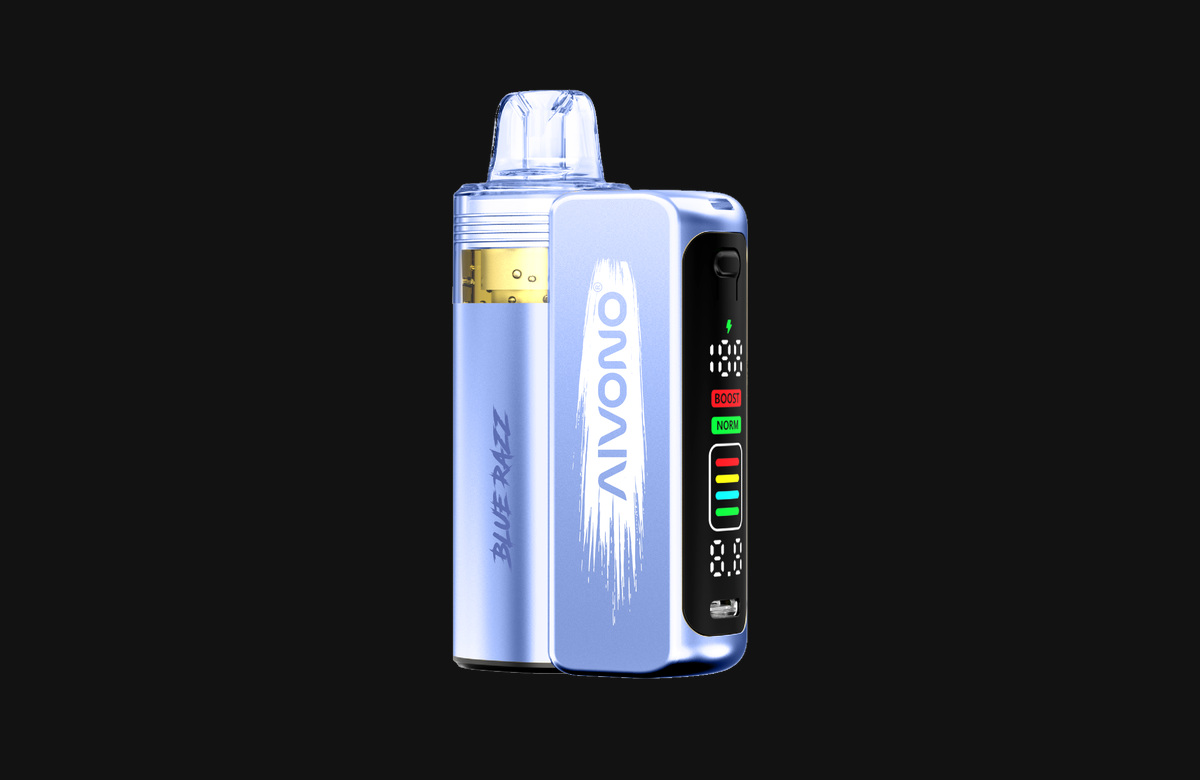
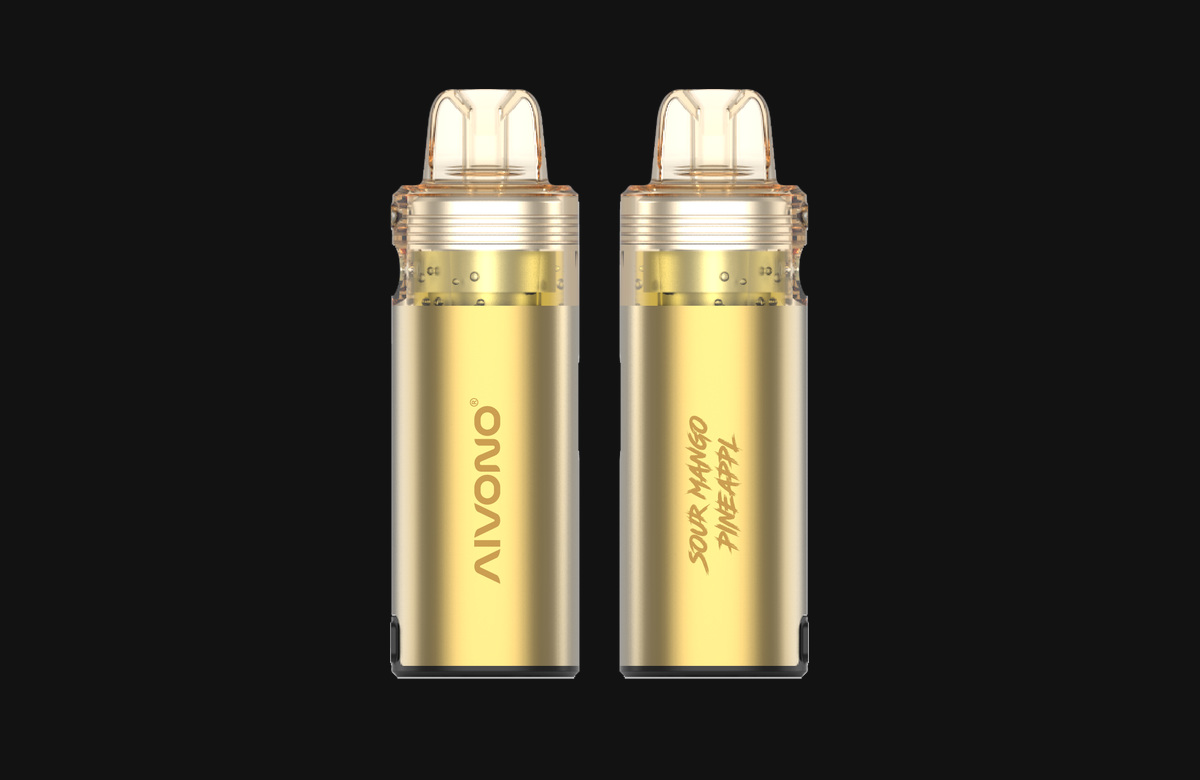
Disposable Vape vs Pod System: Which Is Right for Your Brand?
When launching a vape brand, one of the first decisions you will face is choosing between disposable vapes and pod systems. Both have their advantages, and the right choice depends on your target market and business goals.
Disposable Vapes: The Pros
- High margins – Low manufacturing cost, high perceived value
- Fast turnover – Customers repurchase frequently (high repeat rate)
- Easy to start – Simple product, easier quality control
- Trend-driven – New flavors and designs drive impulse purchases
Pod Systems: The Pros
- Customer loyalty – Once customers buy your device, they must buy your pods
- Eco-friendly positioning – Refillable = less waste, stronger brand story
- Higher lifetime value – Device sold once, pods sold monthly
- Regulatory ready – Many markets are moving toward reusable devices
Market Trends for 2026
The disposable vape market continues to dominate in volume, but regulators in the EU and UK are pushing toward refillable systems. A smart strategy is to launch both: start with disposables to build brand awareness, then introduce a pod system for long-term customer retention.
Recommended Product Mix
For new brands entering the market, we recommend starting with 3-5 disposable SKUs and 1 pod system kit with 2-3 pod flavors. This gives you enough variety to test the market without overcommitting inventory.
Ready to discuss your product lineup? Contact AISILE for OEM/ODM solutions.
Quick Answer: Disposable vs Pod System
A disposable vape is a sealed, single-use device pre-filled with e-liquid that is discarded when empty, while a pod system is a reusable battery that accepts replaceable or refillable pods. For wholesale buyers, the practical difference comes down to three factors: repeat-purchase behavior, logistics cost per ml of e-liquid, and how much customization your market expects. Disposables dominate impulse and convenience channels; pod systems dominate where customers prefer a device they keep and pods they rebuy.
Side-by-Side Comparison
| Factor | Disposable Vape | Pod System |
|---|---|---|
| Puff count per unit | 600 to 150,000 puffs | Set by pod capacity, typically 600 to 30,000 puffs per pod |
| E-liquid capacity | 2ml to 58ml pre-filled | Pods from 2ml to 15ml, refillable options |
| Battery | Built-in, often Type-C rechargeable | Rechargeable battery kept across pods |
| Repeat purchase | Full device each time | Pods only, higher customer retention |
| Customization depth | Colors, logo, packaging, flavors | Device branding plus flavor ecosystem |
| Best channel fit | Convenience stores, gas stations, duty-free | Vape shops, online, subscription programs |
How to Choose for Your Market
High-traffic convenience and impulse channels favor high-capacity disposables such as 120,000-puff and 150,000-puff formats, because buyers want a single purchase that lasts. Vape-focused retail favors refillable pod kits, where the device sale builds a customer relationship and pod repurchases drive margin. Many distributors stock both: disposables for volume, pod systems for retention. A balanced wholesale catalog typically carries a 60/40 to 70/30 split between disposables and pod systems, adjusted to local regulation and customer feedback.
What sells better in 2026, disposables or pods?
Disposables still lead global unit volume, with high-capacity formats above 30,000 puffs growing fastest, while pod systems grow where customers are cost-conscious over time. Offering both categories is the standard wholesale strategy in 2026.
Which format has better margins for distributors?
Pod systems deliver better lifetime margin per customer because pods repurchase monthly, while disposables deliver faster cash turnaround per unit. Most B2B buyers run both and let the channel decide.
Are high-puff disposables still legal to import?
Legality depends on your destination market. Capacity and nicotine rules vary by country, so confirm your local limits before ordering. AISILE adapts nicotine strengths and formats to destination-market regulations under its OEM/ODM program.